Technical Articles & Updates

Packaging & Liquid Filling Insights

Expert guides, machinery maintenance tips, and liquid packaging innovations from industry specialists since 1959.

Automation & Efficiency

Industry Trends & Buying Guides

In-depth analysis and technical advice for optimizing your liquid bottling and capping operations.

Solutions & Maintenance

Equipment Optimization Tips

Practical guides on nozzle selection, viscosity handling, and extending machine service life.

0%

In today's competitive market, businesses require efficient and reliable solutions. An Automatic Liquid Filling Machine stands out as a vital investment for many industries. These machines increase productivity and enhance precision in filling liquids, a task that can be challenging when done manually.

Many owners struggle with the inefficiencies of manual filling processes. Manual operations often lead to inconsistencies, wastage, and slower output. An Automatic Liquid Filling Machine addresses these issues by automating tasks that demand repetition and accuracy. With speed and meticulous measurement, these systems reduce human error significantly.

Investing in an Automatic Liquid Filling Machine may seem costly at first. However, the benefits can be substantial. Consistent quality, higher output, and reduced labor costs can lead to increased profits over time. Choosing the right machine requires careful consideration, as not all systems are created equally. Understanding your specific needs and the machine's capabilities is crucial for optimal results.
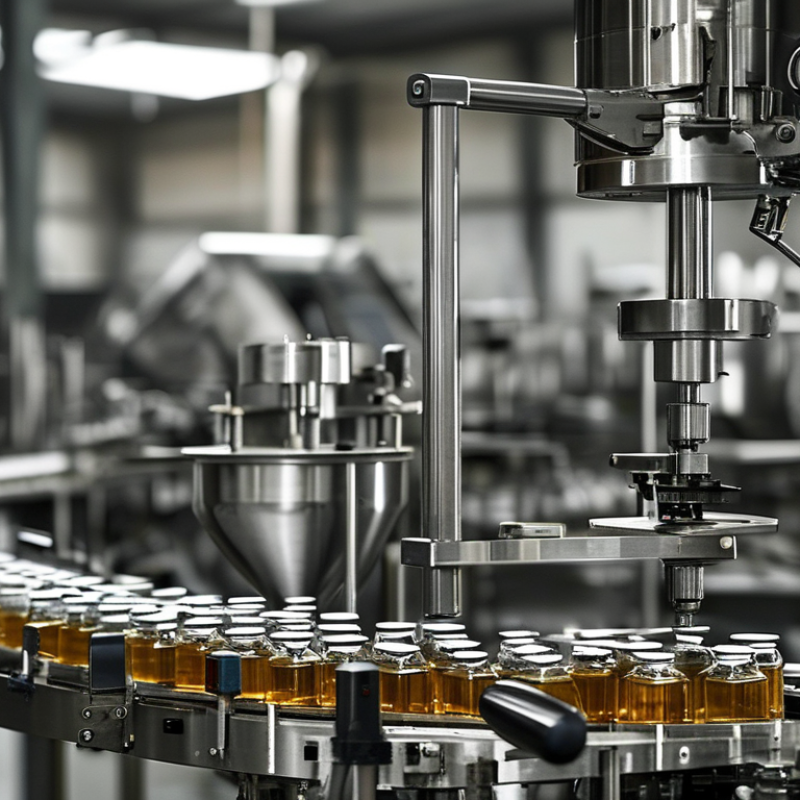
Why Choose an Automatic Liquid Filling Machine for Your Business?

Benefits of Using Automatic Liquid Filling Machines for Businesses

Investing in an automatic liquid filling machine can significantly transform your production process. These machines enhance efficiency by accurately filling containers at high speeds. This reduces labor costs and minimizes human error. Businesses that adopt this technology often see a boost in output due to faster bottling.

A key advantage of automatic liquid filling machines is reliability. They consistently deliver precise measurements, which boosts product quality. This consistency helps brands build trust with customers. In industries like food and beverage or pharmaceuticals, such trust is essential. However, relying solely on machines can lead to complacency. Human oversight is necessary to ensure everything runs smoothly.

With the right machine, your business can easily scale up production. Yet, not all processes translate well to automation. Companies must evaluate their unique needs and challenges. This introspection is vital for achieving optimal results. Balancing automation with smart staffing can create a harmonious workflow.

Key Features of Automatic Liquid Filling Machines

Automatic liquid filling machines offer a range of key features that make them indispensable for modern businesses. With the global liquid filling machine market projected to reach $7 billion by 2026, it's clear that efficiency is paramount. These machines not only enhance productivity but also improve precision. Many models are designed to fill with an accuracy of ±0.5%, which minimizes waste and maximizes profits. This level of precision can significantly impact the bottom line.

Another important feature is versatility. Automatic liquid filling machines can handle various types of liquids, from thin water-like solutions to more viscous substances. This adaptability is supported by industry data indicating that over 40% of manufacturers choose machines based on their ability to accommodate different liquid types. Additionally, automating the filling process can reduce labor costs. Reports show that businesses can save up to 30% in labor by replacing manual operations with automated systems.

Nevertheless, transitioning to automatic systems does come with challenges. There's a learning curve for staff, and initial costs can be high. Some companies experience downtime while adjusting to new technology. It's vital for businesses to weigh these factors against potential gains. Investing in an automatic liquid filling machine can be transformative, but careful planning and training are essential for success.

Why Choose an Automatic Liquid Filling Machine for Your Business? - Key Features of Automatic Liquid Filling Machines

Feature Description Advantages
Speed Can fill bottles quickly, often up to 120 bottles per minute. Increases productivity and reduces labor costs.
Accuracy Ensures precise filling volumes, minimizing waste. Enhances product quality and customer satisfaction.
Versatility Compatible with various liquid types, including thick and viscous liquids. Suitable for a wide range of industries such as food and pharmaceuticals.
Ease of Use User-friendly interface and automation reduces training time. Quick setup and operation, allowing for efficient workflow.
Compact Design Space-saving models available for limited production areas. Maximizes production space without sacrificing performance.

Comparison: Automatic vs. Manual Liquid Filling Processes

When comparing automatic and manual liquid filling processes, efficiency stands out. Automatic machines offer speed and precision. These machines can fill many containers in a short time. They reduce human error, ensuring consistent fill levels. This is crucial for maintaining product quality.

Manual filling can slow down production. Workers may struggle with the pace, especially during high-demand periods. Fatigue can lead to inaccurate fills. This inconsistency can impact customer satisfaction. Mistakes might go unnoticed during busy times, leading to losses.

Automatic systems require an initial investment. However, they can save costs over time. Businesses should evaluate their production needs. Transitioning to automatic filling might pose challenges. Training staff on new machines is essential. Reflecting on these factors can help businesses make informed decisions.

Cost-Effectiveness and ROI of Automatic Liquid Filling Solutions

Investing in an automatic liquid filling machine is a strategic move for any business. These machines streamline the filling process, which can significantly reduce labor costs. By automating this task, businesses can allocate human resources to more critical areas, boosting overall productivity. In a competitive market, optimizing labor can lead to significant savings.

The return on investment (ROI) is notable. While the initial cost may seem high, consider the reduction in waste and increased accuracy. Many automatic filling machines minimize spillage and overfill, saving money on ingredients. This efficiency often offsets the purchase cost within months. However, it’s crucial to select a machine that aligns with your liquid types and container sizes. A mismatch can result in inefficiencies, and purchasing a machine that doesn’t fully meet your needs may lead to disappointment.

Long-term benefits also include consistency and quality control. Consumers expect uniform products, and filling machines ensure consistent volumes. While technology can sometimes fail, the durability of a well-chosen machine generally outweighs potential setbacks. Businesses must assess their needs carefully, reflecting on the potential risks versus the high rewards of automation.

Industry Applications and Use Cases for Automatic Filling Machines

Automatic filling machines have become essential in various industries. They are widely used in food and beverage, pharmaceuticals, and cosmetic sectors. These machines enhance productivity and ensure consistent quality. In the food industry, for instance, precise filling of sauces and beverages reduces waste and increases reliability. This efficiency can immensely influence profitability.

Pharmaceutical companies benefit significantly from automatic filling. These machines ensure that liquid medications are dispensed accurately, minimizing human error. Accuracy is critical in health applications, where dosages can influence patient safety. In the cosmetic industry, filling machines handle various liquid products, from lotions to perfumes. They allow for intricate designs and packaging, meeting diverse customer preferences.

However, transitioning to automatic filling systems may come with challenges. Initial setup costs can be high. Companies need to ensure proper training for staff to operate these machines effectively. Maintenance is another aspect that requires ongoing attention. Making the leap to automation offers numerous benefits, but it is not without hurdles. Companies must weigh these factors carefully.

FAQS

: What are the main benefits of using automatic liquid filling machines?

: They enhance efficiency, reduce labor costs, and minimize human error during production.

How do automatic machines compare to manual filling processes?

Automatic machines offer speed, precision, and reduce the risk of inconsistencies in fills, unlike manual processes.

What should businesses consider before investing in automatic filling machines?

They need to evaluate unique production needs and possible challenges during the transition to automation.

Can automatic liquid filling machines save money in the long run?

Yes, they can reduce waste, increase accuracy, and offset purchase costs through improved efficiency.

Is human oversight still necessary when using automatic machines?

Yes, human supervision is crucial to identify issues that machines might miss and maintain smooth operations.

How do automatic machines affect product quality?

They provide consistent measurements, which help maintain product quality and build customer trust.

What risks are associated with investing in an automatic filling machine?

A mismatch between machine capabilities and production needs can lead to inefficiencies and disappointment.

Do automatic filling machines require staff training?

Yes, staff may need training to effectively operate and manage new machines, which can be challenging.

What can happen if a machine fails?

While technology can fail, a well-chosen machine typically offers durability that outweighs these potential setbacks.

How important is the return on investment when considering automation?

Evaluating ROI is crucial, as initial costs can be high but may lead to significant long-term savings.

Conclusion

An Automatic Liquid Filling Machine is an essential investment for businesses aiming to enhance efficiency and productivity in their operations. The benefits of utilizing such machines include increased speed, precision, and consistency in filling processes compared to manual methods. Key features often highlight advanced technological integration, user-friendly interfaces, and adjustable settings, making them adaptable to various liquid types and container sizes.

When comparing automatic and manual liquid filling processes, the former significantly reduces labor costs and minimizes human error, thereby improving overall accuracy. The cost-effectiveness and return on investment (ROI) associated with automatic solutions make them a smart choice for various industries, including food and beverage, pharmaceuticals, and cosmetics. This versatility is evident in numerous use cases where businesses have successfully implemented automatic filling technology to streamline their operations and boost productivity.

Lila

Lila

Lila is a seasoned marketing professional with a deep expertise in our company's innovative product offerings. With a passion for crafting compelling narratives and a keen eye for detail, she consistently updates our professional blog with insightful articles that not only highlight industry trends......