Blog
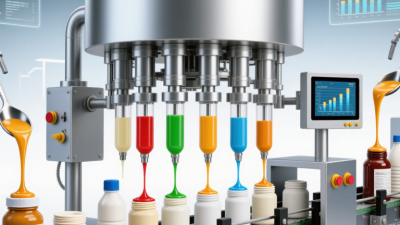
How to Choose a Piston Filling Machine in 2026?
Choosing a Piston Filling Machine in 2026 requires more than comparing prices and advertised speeds. Packaging lines are becoming more automated, traceable, and format-flexible. PMMI’s 2024 industry reports identify labor availability, automation, and supply-chain resilience as major packaging investment drivers. These pressures affect every filling decision, from nozzle design to service access.
Market research from Grand View Research and Mordor Intelligence also shows continued growth in filling and packaging equipment demand. Their findings point toward stronger interest in hygienic designs, accurate dosing, quick changeovers, and flexible systems for liquid, cream, and viscous products. Yet market forecasts are not plant specifications. A machine rated at 60 bottles per minute may perform differently with shampoo, honey, lotion, or particulate sauces. Product temperature, viscosity, container shape, and foam behavior can change the result.
Real testing matters.
A reliable selection process should examine fill accuracy, cylinder volume, contact materials, cleaning procedures, and maintenance records. It should also consider controls, spare-parts availability, operator training, and future container formats. Standards and guidance from organizations such as EHEDG, 3-A SSI, and ISO can support hygienic and quality-focused decisions. Still, compliance claims must be verified against the actual machine configuration.
There is no perfect specification sheet. A cheaper filler may create hidden costs through dripping, product waste, or difficult sanitation. Conversely, an advanced system may be unnecessary for a stable, low-volume product. This guide evaluates the practical trade-offs, using published industry evidence and plant-level reasoning to help buyers choose confidently in 2026.
Read more »
 By:Ethan
- September 17, 2026
By:Ethan
- September 17, 2026
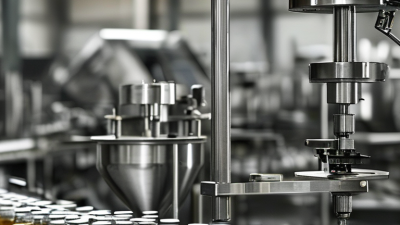
Why Choose an Automatic Liquid Filling Machine for Your Business?
In today's competitive market, businesses require efficient and reliable solutions. An Automatic Liquid Filling Machine stands out as a vital investment for many industries. These machines increase productivity and enhance precision in filling liquids, a task that can be challenging when done manually.
Many owners struggle with the inefficiencies of manual filling processes. Manual operations often lead to inconsistencies, wastage, and slower output. An Automatic Liquid Filling Machine addresses these issues by automating tasks that demand repetition and accuracy. With speed and meticulous measurement, these systems reduce human error significantly.
Investing in an Automatic Liquid Filling Machine may seem costly at first. However, the benefits can be substantial. Consistent quality, higher output, and reduced labor costs can lead to increased profits over time. Choosing the right machine requires careful consideration, as not all systems are created equally. Understanding your specific needs and the machine's capabilities is crucial for optimal results.
Read more »
 By:Lila
- August 18, 2026
By:Lila
- August 18, 2026
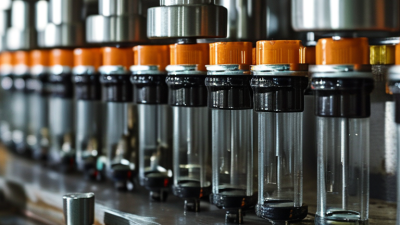
Why Choose a Bottle Capping Machine for Your Production Needs?
In today's competitive manufacturing landscape, efficiency is crucial. A Bottle Capping Machine plays a vital role in enhancing production speed and ensuring product quality. According to a recent market analysis, the demand for automated capping solutions is projected to grow by 7% annually. This statistic underscores the industry's shift toward automated equipment.
Manual capping processes can be slow and inconsistent. A Bottle Capping Machine addresses these issues by providing rapid capping with precision. Research shows that companies adopting automated capping experience a 30% increase in output. This improvement can lead to significant cost savings and higher profit margins.
However, selecting the right machine can be challenging. Factors such as bottle size, cap type, and production volume must be considered. Some companies may experience initial frustrations with adjustment and calibration. Investing in a Bottle Capping Machine requires reflection on long-term needs and scalability. With the right choice, businesses can streamline operations and maintain high standards.
Read more »
 By:Sophie
- August 18, 2026
By:Sophie
- August 18, 2026
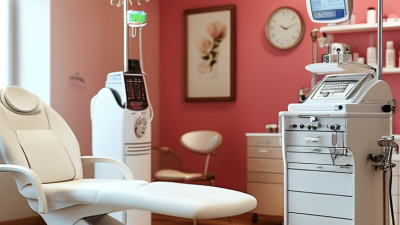
Essential Tips for Choosing Cosmetic Filling Equipment?
Selecting the right Cosmetic Filling Equipment is crucial for the success of any aesthetic practice. With numerous options available, it can be overwhelming. A wrong choice may lead to inefficiencies or even compromised results.
Quality equipment impacts the precision and safety of procedures. Factors like ease of use, maintenance, and reliability should be considered. Do not underestimate how these elements influence patient satisfaction.
Investing in quality may seem costly at first. However, it often pays off in the long run. Remember, cost-effective options might compromise your practice’s reputation. Focus on equipment that enhances your workflow and produces consistent results. Taking time to research and compare equipment is essential. Reflect on your unique needs to make an informed decision.
Read more »
By:Sophie
- August 18, 2026