
Packaging & Liquid Filling Insights
Expert guides, machinery maintenance tips, and liquid packaging innovations from industry specialists since 1959.
Industry Trends & Buying Guides
In-depth analysis and technical advice for optimizing your liquid bottling and capping operations.
Equipment Optimization Tips
Practical guides on nozzle selection, viscosity handling, and extending machine service life.
Why Choose a Bottle Capping Machine for Your Production Needs?
Table of Contents
- Benefits of Automated Bottle Capping Machines in Production Lines
- Industry Statistics on Capping Speed and Efficiency Improvements
- Comparative Analysis: Manual vs. Automated Capping Solutions
- Cost-Effectiveness of Implementing Capping Machines in Manufacturing
- Key Features to Look for in a High-Quality Bottle Capping Machine
- FAQS
- Conclusion
- Related Posts
In today's competitive manufacturing landscape, efficiency is crucial. A Bottle Capping Machine plays a vital role in enhancing production speed and ensuring product quality. According to a recent market analysis, the demand for automated capping solutions is projected to grow by 7% annually. This statistic underscores the industry's shift toward automated equipment.
Manual capping processes can be slow and inconsistent. A Bottle Capping Machine addresses these issues by providing rapid capping with precision. Research shows that companies adopting automated capping experience a 30% increase in output. This improvement can lead to significant cost savings and higher profit margins.
However, selecting the right machine can be challenging. Factors such as bottle size, cap type, and production volume must be considered. Some companies may experience initial frustrations with adjustment and calibration. Investing in a Bottle Capping Machine requires reflection on long-term needs and scalability. With the right choice, businesses can streamline operations and maintain high standards.
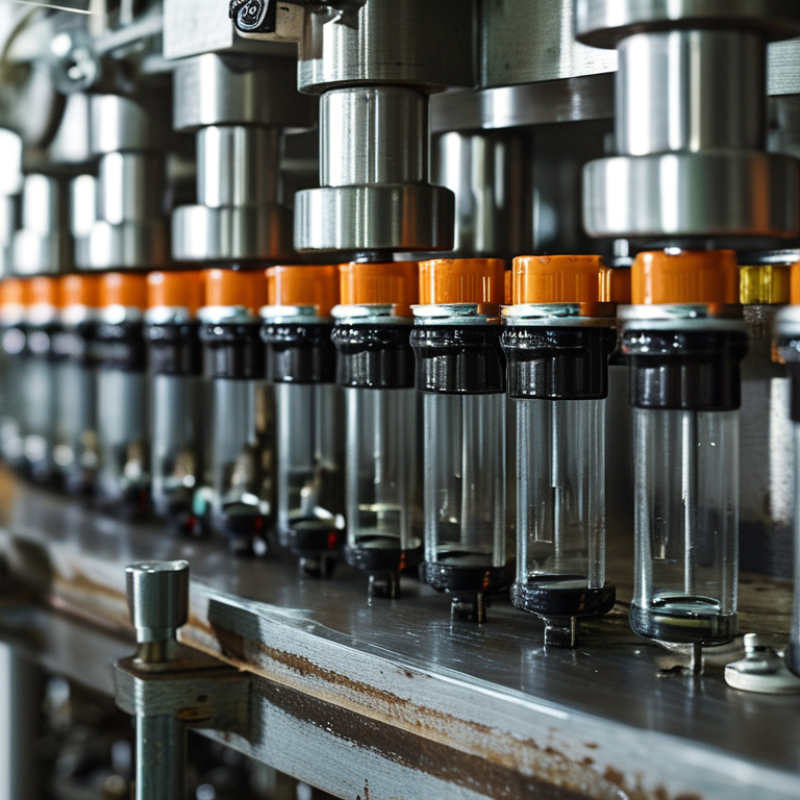
Benefits of Automated Bottle Capping Machines in Production Lines
Automated bottle capping machines offer numerous advantages that enhance production efficiency. These machines ensure consistent torque and sealing quality. Unlike manual capping, automated systems minimize human error, leading to fewer defective products. This reliability fosters consumer trust in the brand.
Speed is another vital benefit. Automated machines can cap thousands of bottles per hour. This rapid pace means faster turnaround times on production lines. Companies can meet increasing demands without sacrificing quality. However, investing in such equipment requires careful analysis of production needs. Not every business will benefit equally from automation.
Implementing these machines does come with challenges. Maintenance is crucial to avoid downtime. Staff must also be trained to operate the machinery efficiently. Regular checks ensure that the machines perform optimally and reduce the risk of defects. Balancing automation with human oversight can improve results significantly. Overall, while the advantages are clear, every business must evaluate its specific context before making the switch.
Industry Statistics on Capping Speed and Efficiency Improvements
In today's fast-paced production environment, choosing the right bottle capping machine is crucial. Industry statistics reveal that automated capping solutions can enhance efficiency significantly. For example, they can increase capping speeds by up to 50% compared to manual processes. This improvement directly translates to higher output and reduced labor costs.
However, it’s essential to consider the type of bottles and caps being used. Different materials and designs can impact the machine's performance. Not all capping machines handle every type of cap efficiently. Testing can be valuable to find the perfect fit for your production line.
When investing in a capping machine, remember to evaluate the maintenance requirements. Regular upkeep helps sustain efficiency and prevent unexpected breakdowns. Tips: Schedule routine checks. Monitor the machine’s performance. Address small issues before they become major problems. An efficient capping process can be a game changer, but only if the chosen equipment truly aligns with your needs.
Comparative Analysis: Manual vs. Automated Capping Solutions
In the world of production, choosing between manual and automated capping solutions is critical. Both methods have unique advantages that can affect efficiency. Manual capping may seem cost-effective at first. However, a report from the International Bottled Water Association states that automated systems increase production speed by 50%. This is a significant factor for businesses aiming for scalability.
Automated machines often have advanced features. For example, they can handle varying cap sizes and materials. This versatility is crucial for companies with diverse product lines. A study from the Packaging Machinery Manufacturers Institute found that automated capping machines reduce operational costs by approximately 30%. However, initial investments may be daunting. This can lead to hesitation in adopting automation, especially for small businesses.
There's a potential downsides to consider with automation. Maintenance requires specialized skills, which can be a challenge. Additionally, some workers may fear job loss due to machines. Balancing the need for efficiency with employee concerns is essential. Investing in training programs can help bridge this gap. A thoughtful approach to these factors can enhance productivity while maintaining workforce morale.
Cost-Effectiveness of Implementing Capping Machines in Manufacturing
Manufacturers face numerous challenges in maintaining efficiency. One significant factor is the bottling process. Implementing a bottle capping machine can significantly improve production efficiency and cost-effectiveness. According to industry reports, automating capping processes can reduce labor costs by up to 30%. This is crucial in a market where margins are tight.
Moreover, capping machines can enhance quality control. Consistent application of caps ensures product integrity. Manufacturers can expect a reduction in spoilage and returns. Data shows that companies using automated capping systems report a 25% decrease in product defects. This not only saves costs but also strengthens brand reputation.
Investing in capping technology might seem daunting. However, the return on investment is often realized within a year. Flexibility in machine design allows for compatibility with various bottle sizes and types. Yet, some may feel uncertain about the upfront costs. It’s essential to weigh these against long-term savings. The data speaks clearly: the benefits can outweigh initial hesitations.
Key Features to Look for in a High-Quality Bottle Capping Machine
When selecting a high-quality bottle capping machine, there are essential features to consider. Durability is crucial. A robust machine can withstand the demands of continuous production. Look for models made from stainless steel or high-grade plastics. These materials resist corrosion and wear.
Efficiency is another key feature. A good capping machine should be able to handle various bottle sizes. This flexibility saves time during production changes. Speed is also important. Machines should cap bottles quickly without sacrificing quality. A reliable seal ensures product freshness and prevents leaks.
Tips: Always check the machine’s capping speed and adjustment capabilities. Test the machine with your specific bottles and caps before making a purchase. This ensures compatibility and avoids future issues.
Additionally, user-friendly controls enhance operational ease. If the machine is complicated, training may be required, causing downtime. Consider maintenance requirements carefully; easier-to-maintain models can lead to less frustration. Reflect on whether you're ready to invest in training or additional resources. This is often overlooked but can be crucial for smooth operations.
FAQS
: Automated capping systems increase production speed by 50%. They handle various cap sizes and materials, enhancing versatility.
Manual capping may seem cheaper but lacks efficiency. Automated systems can reduce operational costs by around 30%.
Yes, maintenance can be challenging and require specialized skills. Some employees may also fear job loss due to automation.
Look for machines made from stainless steel or high-grade plastics. These materials are durable and resist corrosion.
Key features include durability, efficiency, flexibility with bottle sizes, speed, and user-friendly controls.
Maintenance is crucial. Easier-to-maintain models can reduce frustration and downtime, which can affect production efficiency.
Yes, always test compatibility with your specific bottles and caps. This helps avoid issues and ensures optimal performance.
Investing in training can be important. Complicated machines may require it, leading to potential delays in production.
It can be cost-effective initially, but may not support growth like automated solutions. Reflect on your scalability needs.
Balancing efficiency and employee morale is essential. Training programs can help ease fears and improve productivity.
Conclusion
The article "Why Choose a Bottle Capping Machine for Your Production Needs?" explores the numerous advantages of incorporating automated bottle capping machines into production lines. It highlights the significant improvements in capping speed and operational efficiency, backed by industry statistics. The comparative analysis between manual and automated capping solutions underscores the reliability and precision of machines, showcasing the advantages in throughput and consistency.
Additionally, the piece discusses the cost-effectiveness of implementing these machines, emphasizing long-term savings and productivity gains. Readers are guided on key features to consider when selecting a high-quality bottle capping machine, ensuring informed decisions that align with manufacturing needs. Overall, the article advocates for the transition to automated capping solutions as a strategic move for modern production facilities.

Blog Tags: