Technical Articles & Updates

Packaging & Liquid Filling Insights

Expert guides, machinery maintenance tips, and liquid packaging innovations from industry specialists since 1959.

Automation & Efficiency

Industry Trends & Buying Guides

In-depth analysis and technical advice for optimizing your liquid bottling and capping operations.

Solutions & Maintenance

Equipment Optimization Tips

Practical guides on nozzle selection, viscosity handling, and extending machine service life.

0%

Choosing Water Bottling Equipment in 2026 is not simply a race for higher speed. It is a practical decision about water quality, packaging formats, energy use, maintenance, and long-term production stability.

Dr. Matthias Niemeyer, former CEO of KHS GmbH, offered a useful industry principle: “Efficiency must be measured across the entire filling line, not inside one machine.” This view remains important for modern bottling plants. A fast filler cannot compensate for weak rinsing, frequent cap jams, or slow changeovers. The complete line matters.

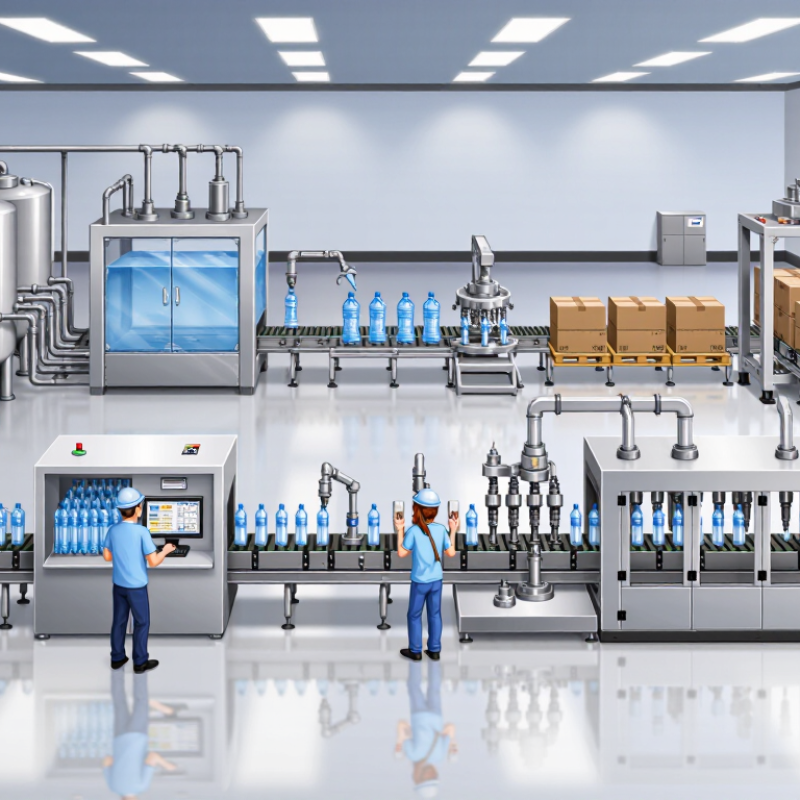
Begin with the water source and expected output. A small spring-water producer may need flexible equipment for several bottle sizes. A large facility may prioritize continuous operation, automated inspection, and high-speed filling. Consider the rinsing, filling, capping, labeling, coding, and secondary packaging stages together. They should work like connected gears.

Cleaning systems deserve close attention. Reliable CIP design can reduce contamination risks and protect product consistency. Energy-efficient pumps and intelligent controls may also lower operating costs. However, advertised savings should be tested against real production data.

Do not overlook maintenance access. Operators need clear panels, reachable valves, spare-part support, and understandable controls. These details become critical at 2 a.m., when a sensor fails.

A perfect checklist does not exist. I might overvalue automation and undervalue training. That is a mistake worth recognizing. The best Water Bottling Equipment should match your staff, facility, water characteristics, and growth plans. This guide examines those choices carefully, using practical questions rather than impressive specifications alone.
How to Choose Water Bottling Equipment in 2026?

Assess Demand: The U.S. Market Reached 15.9 Billion Gallons in 2023

How to Choose Water Bottling Equipment in 2026?

Assess Demand: The U.S. Market Reached 15.9 Billion Gallons in 2023

The U.S. bottled water market reached approximately 15.9 billion gallons in 2023, according to Beverage Marketing Corporation’s 2024 market report. That volume signals strong demand, but national data cannot define your factory’s needs. A regional plant may require 60 bottles per minute, while a high-volume facility may need several hundred.

Start with realistic sales forecasts, not optimistic targets. Study seasonal peaks, container sizes, delivery distances, and retailer requirements. Circana’s beverage tracking reports continue to show changing consumer preferences across single-serve and larger household formats. Equipment should handle those shifts without constant manual adjustments.

Walk the production floor before choosing a line. Measure available space, drainage, power capacity, and operator access. A compact system may suit a small facility, but limited changeover speed can create hidden labor costs. Inspectors also need clear access to filling, capping, and cleaning areas.

Choose capacity around peak demand, with controlled spare capacity. Oversizing looks impressive. It can also increase idle time and maintenance expenses. A practical configuration may include automated rinsing, filling, capping, labeling, and quality checks. The right balance depends on water source, packaging material, bottle design, and sanitation procedures.

A neat spreadsheet can still mislead. Pilot testing matters. Request production trials using your actual bottle, closure, water characteristics, and target speed. Record rejected bottles, changeover minutes, water consumption, and cleaning time. Those details often expose weaknesses that brochures never mention.

Specify Safety: Meet FDA 21 CFR Part 129 and ISO 22000:2018

Choosing water bottling equipment in 2026 requires more than comparing speed, price, and bottle output. Safety specifications should guide every purchase. FDA 21 CFR Part 129 addresses sanitary processing and bottling practices for bottled drinking water. Equipment should support protected water handling, cleanable product-contact surfaces, controlled filling, and reliable container closure. Avoid hidden corners, cracked seals, and difficult-to-drain pipes. Small flaws can become serious contamination risks.

Look for stainless steel contact parts, hygienic welds, accessible inspection points, and validated cleaning procedures. The system should record production conditions, cleaning actions, water tests, and corrective responses. Sensors for temperature, flow, pressure, and filling accuracy need regular calibration. Automated records are useful, but operators must still review them. Technology does not replace judgment. A poorly maintained sensor may quietly create false confidence.

ISO 22000:2018 adds a structured food safety management system. Equipment selection should support hazard analysis, prerequisite programs, operational controls, verification, and traceability. Ask suppliers for material declarations, cleaning instructions, maintenance schedules, and change-control information. Test the line with realistic water conditions, including mineral deposits and frequent start-stop cycles. A short factory demonstration may look perfect, yet daily sanitation can expose weaknesses. Keep spare seals available. Train operators to identify unusual odors, leaks, foam, or unstable filling levels. Document every deviation, even when the issue seems minor. Reliable bottling depends on equipment, procedures, competent people, and evidence that these elements work together.

Size Capacity: Compare Lines Rated at 60–600 Bottles per Minute

How to Choose Water Bottling Equipment in 2026?

Size capacity should match demand, not impress visitors. A 60-bottle-per-minute line produces 3,600 bottles hourly. At 600 bottles per minute, output reaches 36,000 bottles hourly. That difference changes building space, utilities, staffing, and maintenance needs.

Grand View Research projects the global bottled water market to grow at a 6.7% CAGR from 2024 to 2030. Growth matters, but forecasts can disappoint. A smaller line may protect cash flow during uncertain demand. A larger line supports expansion but requires stronger logistics and dependable water treatment.

PMMI’s 2024 beverage packaging research highlights scalable automation and operational efficiency as major industry priorities. Ask suppliers for real production data, not only rated speed.

A 600-bottle-per-minute rating may exclude filling pauses, bottle changes, sanitation, and rejected containers. I usually calculate usable output at 75–85% of the nameplate rate. The 85% figure reflects a commonly used world-class OEE benchmark, but it is not guaranteed. Your bottle format may reduce it.

Tips:

Test the exact bottle, cap, and water viscosity before purchasing. Compare 60, 120, 240, and 600 BPM scenarios. Measure bottles per labor hour, water use, electricity, changeover time, and maintenance access. Request a factory acceptance test with your container. Leave room for mistakes; real production rarely follows the spreadsheet.

Select Packaging: Evaluate 10–15 g PET Bottles and Recycled Content

How to Choose Water Bottling Equipment in 2026?

For 10–15 g PET bottles, equipment must control stretching, filling, and capping carefully. Lightweight preforms reduce resin use, but they leave less room for process errors. A small temperature variation can create thin shoulders, uneven bases, or paneling during transport. Test bottles under actual line speed, not only in a quiet laboratory. I would not trust a spreadsheet alone.

Recycled PET content adds another layer of evaluation. Its color, viscosity, moisture level, and contamination risk can vary between batches. The preform system may need stronger drying control and more precise heating zones. Check bottle clarity, top-load strength, seal performance, and drop resistance. Confirm food-contact documentation and supplier traceability before production. A recycled-content target looks impressive, but it means little if bottles fail during handling. This is where earlier assumptions often fail.

Tips: Request pilot runs with your intended recycled-content percentage. Measure wall thickness at several points. Compare filled bottles after heat, vibration, and storage tests. Keep records for every resin batch and machine setting. Leave adjustment time in the launch schedule. Lightweight packaging is useful, but stability comes first.

How to Choose Water Bottling Equipment in 2026?

PET bottle lightweighting scenarios from 10–15 g are compared with recycled-content requirements. The 25% level reflects the EU minimum recycled-plastic content for PET beverage bottles from 2025, while 30% reflects the EU target for all plastic beverage bottles from 2030.

Lighter bottles require precise preform heating, stretch-blow molding control, stable filling pressure, and careful conveyor handling. The recycled-content values shown are calculated by bottle mass and are intended for equipment-planning scenarios, not market averages.

Calculate TCO: Benchmark Energy, Water Use, Labor, and 95% OEE

Choosing water bottling equipment in 2026 requires a total-cost-of-ownership model, not a purchase-price comparison. Measure electricity, water, labor, maintenance, changeover time, rejects, and downtime. The U.S. Department of Energy reports that motor-driven systems consume about 68% of manufacturing electricity. Efficient pumps, conveyors, and compressors therefore deserve close inspection. Record actual kilowatt-hours per 1,000 bottles during factory trials.

Water use can expose hidden costs. Beverage Industry Environmental Roundtable benchmarking has reported water-use ratios near 1.4 liters of process water per liter of beverage for efficient operations. Treat that figure as a reference, not a promise. Track rinsing, cleaning, filtration, and rejected bottles separately. A small leak may look harmless, but it can run through every shift.

Labor assumptions also need testing. Calculate operators per shift, planned maintenance hours, sanitation time, and training needs. Then model OEE using availability, performance, and quality. A 95% OEE target is demanding. It should not replace evidence. For example, 95% OEE with frequent short stops may hide difficult maintenance work. Use site data, spare-parts records, and at least several weeks of production trials. I would also price water treatment and energy escalation. That part is often missed. The best equipment is not always the fastest machine; it is the system that produces acceptable bottles consistently, with measurable resource use and realistic staffing.

FAQS

How large was the U.S. bottled water market in 2023?

It reached about 15.9 billion gallons. National demand is strong, but local factory needs differ.

How should I estimate bottling capacity?

Start with realistic sales forecasts, not hopeful targets. A regional plant may need 60 bottles per minute. Larger facilities may need several hundred.

What demand details should equipment planning include?

Review seasonal peaks, bottle sizes, delivery distances, and retailer requirements. Consumer preferences can shift between single-serve and household formats.

Which factory conditions must I inspect before buying equipment?

Measure floor space, drainage, power capacity, and operator access. Inspectors need clear paths around filling, capping, and cleaning areas.

Should I choose the fastest available line?

Not always. Oversized equipment may create idle time, higher maintenance costs, and unused capacity. Controlled spare capacity is safer.

What equipment functions should a practical line include?

Useful functions include rinsing, filling, capping, labeling, and quality checks. The exact setup depends on water, packaging, bottle design, and sanitation.

Why are production trials important?

Test your actual bottles, closures, water characteristics, and target speed. Record rejected bottles, changeover minutes, water use, and cleaning time.

What costs belong in a total-cost-of-ownership model?

Include electricity, water, labor, maintenance, changeovers, rejects, and downtime. Purchase price alone can mislead.

How can I evaluate energy and water performance?

Measure kilowatt-hours per 1,000 bottles during factory trials. Efficient motors, pumps, conveyors, and compressors deserve close inspection. Track rinsing, cleaning, filtration, and rejected bottles separately.

Is a 95% OEE target realistic?

It is demanding and requires evidence. Short stops may hide maintenance problems. Use several weeks of production data, spare-parts records, and staffing checks. I would not trust the target blindly.

Conclusion

Choosing Water Bottling Equipment in 2026 requires a balanced review of market demand, safety, production capacity, packaging, and long-term operating costs. With the U.S. bottled water market reaching approximately 15.9 billion gallons in 2023, businesses should first estimate regional demand, sales growth, and distribution requirements. Equipment must support strict hygiene controls and align with FDA 21 CFR Part 129 and ISO 22000:2018 principles, including reliable sanitation, traceability, and quality monitoring.

Production capacity should match actual demand rather than simply targeting the highest output. Compare systems rated from 60 to 600 bottles per minute, while considering changeover time, downtime, and a realistic 95% overall equipment effectiveness target. Packaging decisions should evaluate lightweight 10–15 gram PET bottles, recycled content, product protection, and recycling goals. Finally, calculate total cost of ownership by comparing energy and water consumption, labor needs, maintenance, spare parts, installation, and training. A complete evaluation helps select equipment that is efficient, compliant, scalable, and financially sustainable.

Ethan

Ethan

Ethan is a seasoned marketing professional with a deep knowledge of the company's product offerings. With years of experience in the industry, he brings a unique perspective to the team, consistently demonstrating his expertise through detailed blog posts that are published on the company website.......