Technical Articles & Updates

Packaging & Liquid Filling Insights

Expert guides, machinery maintenance tips, and liquid packaging innovations from industry specialists since 1959.

Automation & Efficiency

Industry Trends & Buying Guides

In-depth analysis and technical advice for optimizing your liquid bottling and capping operations.

Solutions & Maintenance

Equipment Optimization Tips

Practical guides on nozzle selection, viscosity handling, and extending machine service life.

0%

Selecting the right Cosmetic Filling Equipment is crucial for the success of any aesthetic practice. With numerous options available, it can be overwhelming. A wrong choice may lead to inefficiencies or even compromised results.

Quality equipment impacts the precision and safety of procedures. Factors like ease of use, maintenance, and reliability should be considered. Do not underestimate how these elements influence patient satisfaction.

Investing in quality may seem costly at first. However, it often pays off in the long run. Remember, cost-effective options might compromise your practice’s reputation. Focus on equipment that enhances your workflow and produces consistent results. Taking time to research and compare equipment is essential. Reflect on your unique needs to make an informed decision.
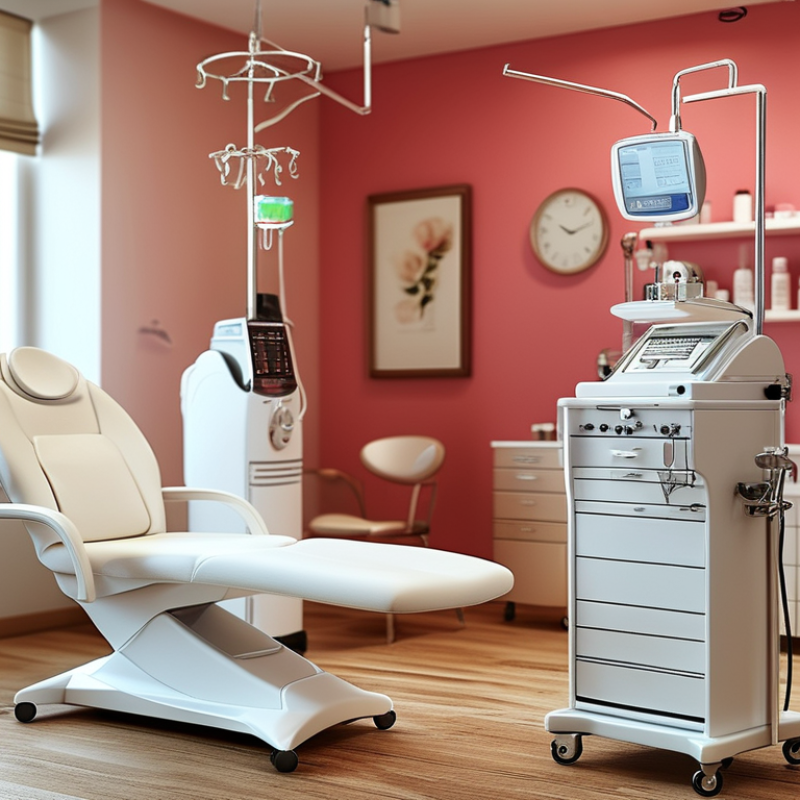
Essential Tips for Choosing Cosmetic Filling Equipment?

Understanding the Different Types of Cosmetic Filling Equipment

When choosing cosmetic filling equipment, understanding the various types available is crucial for your business. Options typically range from manual fillers to advanced automated systems. According to the latest industry report by Allied Market Research, the global cosmetic filling equipment market is projected to reach $9.2 billion by 2026. This growth reflects increasing demand for personalized cosmetic products, highlighting the need for reliable filling technology.

Manual fillers are popular for small-scale operations. They are cost-effective and easy to operate. However, they may not provide consistent results. On the other hand, automated fillers offer precision and efficiency, key attributes for high-volume production. Industry experts note that using automated systems can reduce labor costs by up to 30%. This could be significant for businesses aiming to scale.

It's vital to assess the compatibility of equipment with various formulations. Factors such as viscosity and sensitivity will impact your choice. Some fillers may struggle with thicker formulas, leading to inconsistent products. Regular maintenance is also essential to ensure optimal performance. Investing in the right equipment is crucial, but it requires careful consideration of your specific needs and production goals.

Key Features to Consider When Choosing Filling Machines

When selecting cosmetic filling equipment, key features can significantly influence efficiency and product quality. Precision is crucial. Machines should offer adjustable filling volumes to cater to various product sizes, ensuring each container is filled accurately. A report from the Cosmetic Industry Association reveals that inconsistencies in filling can lead to up to 15% product loss, impacting profitability.

Speed also matters. High-speed machines can enhance productivity but must balance this with reliability. An ideal machine should maintain uniform fill rates over extended runs. Data suggests that downtime caused by equipment malfunctions can cost manufacturers thousands daily. Therefore, durability and ease of maintenance are essential features to consider.

Moreover, the machine's compatibility with different materials affects versatility. Some machines struggle with viscous products, which limits their application scope. Operators should evaluate these aspects carefully, as choosing the wrong equipment can lead to inefficiencies and increased operational costs. Regular assessments and updates on machinery performance can help identify areas for improvement. Focusing on these features ensures better decision-making in the selection process, ultimately enhancing production outcomes.

Assessing the Reliability and Durability of Equipment Brands

When selecting cosmetic filling equipment, the reliability and durability of different brands should be a primary focus. Recent industry reports indicate that over 30% of equipment failures can be attributed to poor quality materials and design flaws. Relying on a reputable brand can help mitigate these risks significantly. A survey found that 75% of industry professionals prioritize brand reputation when making purchasing decisions. This highlights the importance of thorough research into various equipment providers.

Examine the materials used in the equipment, as well as customer feedback. Equipment with a solid warranty period often indicates quality construction. Research shows that brands offering a warranty of five years or more have a 40% lower failure rate than those with shorter warranties. Additionally, evaluate the maintenance requirements of the equipment. Equipment that demands more frequent upkeep may indicate underlying durability issues. Consider the long-term costs associated with maintaining equipment; sometimes, a lower initial price can lead to higher expenses later on.

Investing in reliable equipment is an essential aspect of running a successful cosmetic filling practice. Buyers should reflect on personal experiences and outcomes. Each choice directly impacts patient satisfaction and business reputation. Quality equipment leads to better results; therefore, due diligence in research is non-negotiable.

Evaluating Cost vs. Quality in Cosmetic Filling Solutions

When evaluating cost versus quality in cosmetic filling equipment, understanding the impact of each factor is crucial. The initial investment can vary significantly. Lower-priced machines may save money upfront but could compromise on quality. A thorough analysis can prevent costly mistakes later.

Quality equipment often translates to higher efficiency, reduced waste, and consistent results. These machines are designed for durability and precision. Investing in reliable equipment can enhance productivity and lead to better patient satisfaction. However, the balance between price and performance can be challenging.

Not all high-priced options guarantee optimal performance. Some affordable solutions may meet your needs without sacrificing quality. It's essential to conduct in-depth research and seek expert advice. Evaluating customer reviews can provide insights into real-world performance. Always weigh the long-term benefits against immediate costs. Understanding your specific requirements will help in making a more informed decision.

Importance of Training and Support for Equipment Users

When investing in cosmetic filling equipment, user training and support are crucial. Proper training ensures that users can effectively operate the machines. This leads to better outcomes for patients and a smoother workflow. Users should understand the equipment’s functionalities and maintenance requirements. Without proper instruction, mistakes can occur, potentially affecting results.

Support goes beyond initial training. Ongoing assistance builds confidence. It helps address challenges that arise during procedures. An effective support system includes accessible resources, such as tutorials and technical guidance. Users may encounter difficulties adapting to new technologies. Having reliable support can ease this transition.

Trainers should focus on real-world applications. Simulating common scenarios can enhance learning. Users benefit from hands-on practice and feedback. It’s essential to create an environment where questions are welcomed. This openness fosters growth and improvement. Ultimately, investing in comprehensive training and support reduces risks and increases safety.

Essential Tips for Choosing Cosmetic Filling Equipment - Importance of Training and Support for Equipment Users

Aspect Description Importance
Equipment Quality Assess the durability and reliability of the equipment. Ensures consistent performance and reduces downtime.
User Training Training programs for new users on equipment operation. Enhances user proficiency and safety.
Technical Support Availability of customer support for troubleshooting. Minimizes operational disruption and aids quick resolution.
Compatibility Fits well with existing systems and workflows. Facilitates seamless integration and reduces training time.
Cost-Effectiveness Evaluate total cost including maintenance and supplies. Maximizes return on investment for the facility.

FAQS

: What types of cosmetic filling equipment are available?

: Options include manual fillers and automated systems. Manual fillers are cost-effective but less consistent. Automated fillers provide precision and efficiency for high-volume production.

Why is precision important in filling machines?

Precision ensures accurate filling volumes for various product sizes. Inaccuracies can lead to significant product loss, impacting profitability.

How does speed affect filling equipment performance?

High-speed machines can boost productivity. However, they must remain reliable. Equipment malfunctions can lead to expensive downtimes.

What should be considered regarding machine compatibility?

Compatibility with different formulations, like viscosity, is crucial. Some machines may struggle with thicker products, leading to inefficiencies.

Why is regular maintenance essential for filling equipment?

Regular maintenance ensures optimal performance. Neglecting maintenance can lead to malfunctions and impact production quality and costs.

How does training benefit equipment users?

Proper training enables effective machine operation. It leads to better outcomes and minimizes the risk of errors during production.

What support systems should be in place for equipment users?

Ongoing support is important. Accessible resources, such as tutorials and technical guidance, help users overcome challenges and adapt to new technologies.

How can real-world training scenarios enhance user learning?

Simulating common situations provides hands-on practice. This approach fosters confidence and encourages questions, leading to better skills.

What are the risks of inadequate training in filling operations?

Poor training can lead to mistakes. Errors may compromise product quality and safety during procedures, posing risks.

Why is it important to evaluate equipment performance regularly?

Regular assessments help identify inefficiencies and areas for improvement. This focus supports better decision-making and production outcomes.

Conclusion

When selecting Cosmetic Filling Equipment, it is essential to understand the various types available on the market. Each type of equipment has unique features that cater to different cosmetic products, and identifying these features is crucial for making an informed decision. Key aspects to consider include the machine's ease of use, automation capabilities, and precision, as these can significantly impact production efficiency and product quality.

Reliability and durability are also vital when assessing equipment brands, ensuring that the chosen machinery can withstand the demands of daily operations. Furthermore, it is important to balance cost and quality, as investing in higher-quality equipment may yield better long-term results. Lastly, adequate training and support for users can enhance operational efficiency and reduce downtime, making it a critical factor in the overall success of utilizing Cosmetic Filling Equipment.

Sophie

Sophie

Sophie is a dedicated marketing professional with a deep understanding of our company's innovative products and services. With a keen eye for detail and a passion for delivering valuable insights, she regularly updates our website's professional blog, sharing her expertise and keeping our audience......